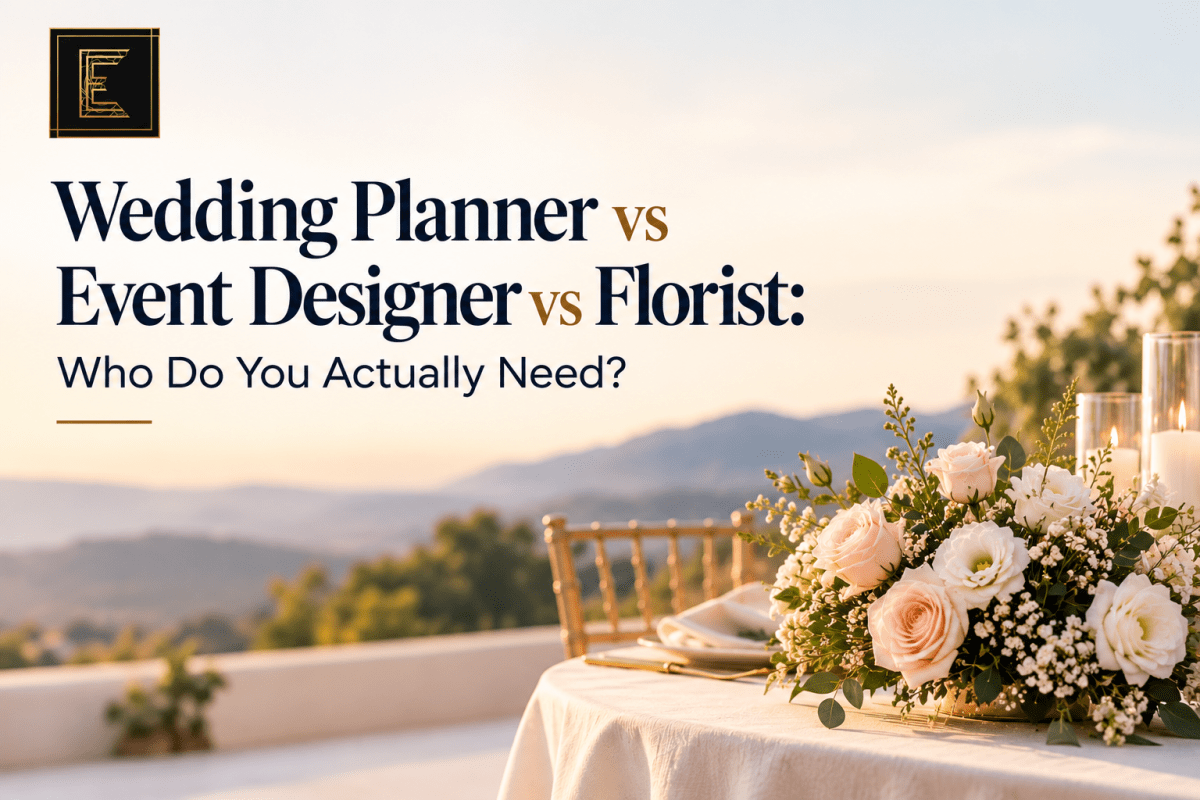
Planning a wedding involves more than choosing a beautiful venue, selecting flowers, and inviting guests. It requires careful coordination, creative planning, vendor management, and attention to every detail. This is where wedding planners, event designers, and florists play important but different roles.
Understanding the difference between a wedding planner vs event designer can help you choose the right professionals for your celebration. While a wedding planner manages logistics and operations, an event designer focuses on the visual experience, and a florist creates floral arrangements that bring natural beauty to the setting.
Although these professionals often work together, their responsibilities are not always the same. Some wedding teams offer multiple services under one package, while others specialize in a single area.
So, which professional do you actually need? Let's explore their roles, responsibilities, and benefits to help you make the right decision for your wedding.
1. Wedding Planner

What Is the Role of a Wedding Planner?
A wedding planner manages the operational side of your wedding, ensuring that everything runs smoothly from the initial planning stages to the final moments of the celebration. Their primary responsibility is to organize the details, coordinate vendors, manage timelines, and help bring your wedding plans together within your budget.
Wedding planners often serve as the main point of contact between the couple, vendors, venue management, and other members of the wedding team. They help you make informed decisions, stay organized, and avoid unnecessary stress throughout the planning process.
Their responsibilities typically include:
Budget Allocation: Helping you establish a realistic wedding budget and distribute funds across venues, catering, photography, entertainment, decorations, and other essential services.
Vendor Management: Researching, recommending, communicating with, and coordinating vendors to ensure everyone understands their responsibilities.
Timeline Management: Creating a detailed wedding schedule covering ceremonies, photography, guest arrivals, entertainment, meals, and other activities.
Venue Coordination: Assisting with venue selection, reviewing logistical requirements, and coordinating arrangements with venue staff.
Guest Management: Helping organize guest lists, seating arrangements, transportation, and accommodation when these services are included.
Problem-Solving: Addressing unexpected changes, vendor delays, scheduling conflicts, and other challenges that may arise before or during the wedding.
Day-of Coordination: Supervising the schedule and coordinating vendors on the wedding day, depending on the planning package.
A wedding planner focuses on the practical details that allow your celebration to happen as planned. They help ensure that the right people are in the right place at the right time.
Why Do You Need a Wedding Planner?
Hiring a wedding planner is especially helpful when you have a busy schedule, multiple wedding functions, numerous vendors, or a large guest list. Planning a wedding independently can quickly become overwhelming, particularly when you need to manage contracts, payments, schedules, and last-minute changes.
A professional planner reduces this pressure by organizing the process and keeping the different elements connected.
You may benefit from a wedding planner if:
You want professional support throughout the planning process.
You are organizing a large wedding or a multi-day celebration.
You need help managing your budget and negotiating with vendors.
You live in another city or state and are planning a wedding remotely.
You want someone to coordinate logistics so you can enjoy your wedding day.
For couples planning a celebration in New Jersey, full-service wedding planning NJ services may be particularly useful when multiple venues, vendors, cultural traditions, or event schedules need to be coordinated. Depending on the package, a full-service planner can assist from the early planning stages through the wedding day.
However, not every couple needs full-service planning. If you have already arranged most of the details, a partial planning package or day-of coordinator may provide the support you need.
2. Event Designer

What Is the Role of an Event Designer?
An event designer is responsible for creating the visual identity, atmosphere, and overall aesthetic of your wedding. While a wedding planner concentrates on logistics, an event designer focuses on how the celebration will look and feel.
Their work begins with understanding your preferences, wedding theme, venue, and desired guest experience. They translate these ideas into a cohesive design concept that connects colors, textures, lighting, furniture, flowers, and decorative elements.
An event designer may develop a mood board, visual references, layout concepts, and design plans to help you understand how the finished space will look.
Their responsibilities typically include:
Creative Direction: Developing a visual concept that reflects your personality, preferences, and wedding vision.
Color Palette Selection: Choosing complementary colors, materials, and finishes to create a consistent look throughout the event.
Space Planning: Designing the arrangement of ceremony spaces, reception areas, dining tables, stages, and guest seating.
Decor and Styling: Selecting backdrops, table settings, furniture, linens, signage, and decorative installations.
Lighting and Ambience: Planning lighting elements that influence the mood, highlight important spaces, and complement the overall design.
Design Coordination: Working with florists, rental companies, lighting specialists, and production teams to maintain visual consistency.
Design-Build Execution: When included in the service, coordinating the construction and installation of custom structures, backdrops, and other design elements.
An event designer does more than select decorations. They consider how every visual element works together to create a memorable experience. For example, a romantic garden wedding may combine soft lighting, natural textures, delicate floral installations, and elegant table settings to create a consistent atmosphere.
Why Do You Need an Event Designer?
If you have a clear vision for your wedding but are unsure how to bring it to life, an event designer can help transform your ideas into a well-planned visual experience.
You may need an event designer if:
You want a distinctive theme rather than standard wedding decorations.
You are planning a luxury wedding with detailed styling and custom installations.
You need help creating a cohesive look across the ceremony and reception.
Your venue requires creative space planning or significant visual transformation.
You want professional guidance on colors, lighting, textures, and decorative elements.
If you are wondering, do I need a wedding designer, consider how important the visual experience is to your celebration. If you want an elaborate floral backdrop, a carefully styled reception, or a personalized design concept, professional design support may be worthwhile.
However, an event designer may not be necessary for every wedding. If your venue already has an attractive setting and you prefer simple decorations, a florist or decorator may be sufficient.
It is also important to understand that event designers do not automatically manage budgets, vendor contracts, or wedding timelines. Some offer these additional services, but their scope should be confirmed before booking.
3. Florist

What Is the Role of a Wedding Florist?
A wedding florist specializes in designing, preparing, and delivering floral arrangements for the ceremony and reception. Flowers can add color, texture, fragrance, and natural beauty to a wedding, making them an important part of the overall atmosphere.
A professional florist considers your preferred style, seasonal flower availability, color palette, venue conditions, and budget when recommending arrangements. They help you choose flowers that complement the wedding design while remaining practical for the event.
Their responsibilities typically include:
Floral Design: Creating arrangements that match your wedding theme, from classic and romantic to modern and minimalist.
Bridal Flowers: Designing bridal bouquets, bridesmaid bouquets, boutonnieres, and other personal floral accessories.
Ceremony Arrangements: Preparing floral arches, aisle decorations, altar arrangements, and ceremony installations.
Reception Flowers: Designing centerpieces, floral runners, entrance arrangements, and decorative displays for reception spaces.
Flower Selection: Recommending suitable seasonal flowers based on availability, color, durability, and budget.
Delivery and Setup: Transporting flowers safely and arranging them at the venue according to the agreed plan.
Care and Handling: Using appropriate preparation and handling techniques to help flowers remain fresh throughout the celebration.
A florist works with both the practical and creative aspects of floral arrangements. For example, they may recommend different flowers for an outdoor summer wedding than for an indoor winter celebration because temperature, availability, and durability can affect the final result.
Why Do You Need a Wedding Florist?
A wedding florist is a good choice when flowers are an important part of your wedding vision. Whether you want a simple bridal bouquet or an elaborate floral ceremony installation, a florist can help you select and arrange flowers professionally.
You may need a wedding florist if:
You want fresh floral arrangements for the ceremony and reception.
You need personalized bouquets and floral accessories.
You want flowers that complement your wedding colors and theme.
You need professional installation of floral arches, centerpieces, or statement arrangements.
You want guidance on seasonal flowers and ways to manage floral costs.
A florist is particularly valuable when you want flowers to look intentional rather than simply placed around the venue. Their expertise helps create arrangements with suitable proportions, balanced colors, and appropriate flower combinations.
However, a florist generally does not manage the entire wedding schedule or design every decorative element. Their primary responsibility is floral design and execution, unless they offer a broader service package.
Wedding Florist vs Decorator: What Is the Difference?
The distinction between a wedding florist and a decorator is important because these professionals often work on similar visual elements but have different areas of expertise.
A wedding florist specializes in flowers and greenery, including bouquets, centerpieces, floral arches, and other botanical arrangements. A decorator typically handles a broader range of non-floral elements, such as backdrops, draping, furniture, table linens, props, signage, and decorative installations.
For example, if you want a floral arch for your ceremony, the florist may design and arrange the flowers, while the decorator or production team may provide the structure and supporting installation.
Some professionals offer both services, so the distinction is not always absolute. Before hiring anyone, clarify which items are included, who will supply the materials, and who is responsible for delivery, setup, and removal.
Choosing the right professional depends on whether your priority is floral artistry, overall decor, or a combination of both.
Can You Hire a Wedding Planner, Event Designer, and Florist Together?
Yes. Hiring all three professionals can be an effective approach for weddings that require detailed logistics, a distinctive visual concept, and extensive floral arrangements.
In a well-coordinated luxury wedding team, each professional contributes specialized expertise. The wedding planner manages schedules, logistics, and vendor communication. The event designer develops the visual concept and coordinates decorative elements. The florist creates the arrangements that complement the overall design.
For example, imagine planning a wedding with an outdoor ceremony, a custom reception stage, and elaborate floral centerpieces. The planner coordinates the venue, suppliers, and schedule. The designer establishes the look of the ceremony and reception. The florist creates the bouquets, centerpieces, and floral installations.
The key is clear communication. Before signing contracts, confirm who manages the overall budget, who approves design decisions, and who oversees installation on the wedding day. This prevents duplicated responsibilities, unexpected expenses, and gaps in coordination.
For a smaller wedding, you may not need three separate professionals. A planner who offers design services or a florist who also provides styling may cover multiple needs. Always compare the actual services included rather than relying on job titles alone.
Conclusion
Choosing between a wedding planner vs event designer comes down to understanding what your wedding needs most. A wedding planner manages logistics, vendor relationships, budgets, and timelines. An event designer creates the visual atmosphere and brings your wedding theme to life. A florist specializes in floral arrangements that add natural beauty and personality to the celebration.
If you need help organizing the entire event, start with a wedding planner. If your main priority is a distinctive aesthetic, consider an event designer. If flowers are central to your vision, hire a wedding florist. For a complex or luxury celebration, combining all three can provide a more coordinated experience.
Before making your decision, define your budget, priorities, and expectations. Review each professional's portfolio, confirm their responsibilities, and understand what is included in their contract. The right team is not necessarily the largest one; it is the team whose expertise matches your needs.
Ultimately, the goal is to create a wedding that reflects your personality, stays within your budget, and allows you to enjoy the celebration without unnecessary stress.
Frequently Asked Questions (FAQs)
1. What is the difference between a wedding planner and an event designer?
A wedding planner focuses on logistics, vendor management, budgeting, and timelines. An event designer focuses on the visual concept, decor, color palette, lighting, and overall atmosphere. Some professionals offer both services, but their responsibilities should be confirmed before booking.
2. Do I need a wedding designer if I already have a wedding planner?
Not necessarily. A wedding planner may be sufficient for a simple celebration with minimal decor requirements. However, if you want a customized aesthetic, elaborate installations, or a cohesive design across multiple spaces, an event designer can provide additional creative expertise.
3. What is the difference between a wedding florist and a decorator?
A wedding florist specializes in flowers, greenery, bouquets, and floral installations. A decorator generally focuses on elements such as backdrops, furniture, draping, linens, and decorative props. Some vendors offer both services, so check their portfolios and service agreements.
4. Can a wedding planner also handle wedding decorations?
Yes, some wedding planners provide decor planning or styling as part of their packages. However, this does not mean they offer specialized event design or floral services. Ask whether design development, decor sourcing, installation, and floral arrangements are included or charged separately.
5. How much does a wedding planner, event designer, or florist cost?
Costs vary depending on location, experience, guest count, event complexity, and service scope. Full-service planning generally involves a broader range of responsibilities, while design and floral costs depend on the creative work, materials, and installations required. Request itemized proposals and compare what each package includes before making a decision.
6. Is full-service wedding planning in NJ worth it?
Full-service wedding planning NJ services can be valuable for couples managing complex celebrations, multiple vendors, several wedding functions, or planning from another location. A full-service planner can help coordinate the process from the early planning stages to the wedding day. Whether it is worth the investment depends on your budget, schedule, and level of support required.
7. Can I hire a florist without hiring an event designer?
Yes. If you already have a clear idea of your wedding decor and only need floral arrangements, hiring a florist may be sufficient. Share your color palette, inspiration images, venue details, and budget to help the florist create arrangements that complement your plans.
8. When should I book my wedding planner, event designer, and florist?
It is generally best to book your wedding planner early in the planning process, particularly if your wedding involves multiple functions or a popular venue. Event designers and florists should also be contacted well in advance for custom concepts, large installations, or peak-season dates. Booking timelines vary by location and availability, so confirm schedules with your preferred professionals as soon as your wedding date is established.